Fynsa


Cada cierto tiempo al mercado le gusta creer en historias bonitas. La de turno era más o menos así: llega Kevin Warsh a la Reserva Federal (FED), impulsado por Donald Trump, que quiere tasas más bajas; entonces los tipos caen, la renta fija celebra y todos felices. El problema es que el mercado puede ser muchas cosas, pero la ingenuidad a largo plazo no es algo que lo caracterice.
La idea de que un nuevo presidente de la FED iba a apretar un botón y reducir las tasas empezó a morir rápido. Porque una cosa es cambiar al piloto y otra muy distinta es cambiar la pista, el clima y la torre de control. La FED no es una pyme donde manda el jefe y el resto obedece: las tasas las decide un comité, con votos, disensos y egos técnicos bastante entrenados. Warsh puede marcar el tono, ordenar la conversación y tratar de convencer, pero no puede imponer una baja por decreto. Sobre todo, el entorno no ayuda: inflación resiliente, petróleo nervioso por Medio Oriente y un mercado de bonos que ya se está defendiendo. El aplanamiento entre los bonos a 5 y 30 años muestra justamente eso: los inversionistas están apostando a una Reserva Federal con menos espacio para relajar la mano. En concreto, el “Warsh trade” de tasas bajas se empezó a desinflar.
El dilema es brutal: si Warsh baja las tasas demasiado rápido, puede parecer que la FED se arrodilló ante Trump. Y si el mercado compra esa lectura, las tasas largas pueden subir, no bajar. Es decir, el remedio político podría terminar siendo peor que la enfermedad.
¿Y Chile? Acá la película pega doble. Si afuera las tasas siguen altas y el dólar se fortalece, el financiamiento para emergentes se pone más áspero. Esto, en un momento en el que el país enfrenta una discusión incómoda: Hacienda tendría que pedir más endeudamiento al Congreso en medio del lío por errores —o inconsistencias, según quién lo diga— en las cuentas fiscales. Ese combo no es menor: más deuda local, tasas externas tensas y mercados mirando con lupa la credibilidad fiscal.
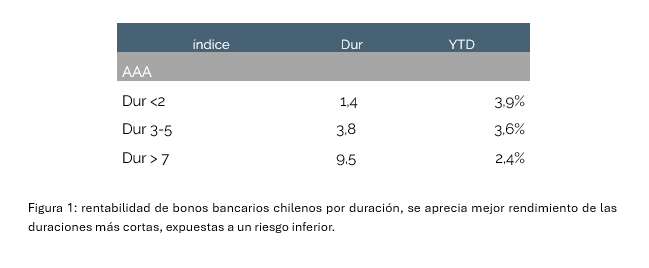
En escenarios así, ponerse creativo con duración larga puede ser extremadamente costoso. Para manejar estos vaivenes, la renta fija de corto plazo aparece como una alternativa bastante sensata: menos exposición a saltos de tasas, más liquidez y mejor defensa mientras el mercado decide si Warsh es bombero, pirómano o simplemente otro piloto atrapado en la misma tormenta.
Gabriel Haensgen
Portfolio Manager Fondos Financieros Fynsa AGF