Fynsa


Durante décadas, el financiamiento automotriz ha sido un pilar clave del consumo y del crédito en América Latina. Desde los años 90, cuando los créditos para automóviles comenzaron a masificarse, esta industria ha permitido a millones de familias acceder a vehículos nuevos y usados, impulsando a la vez el crecimiento de bancos, financieras y concesionarios.
Hoy, el contexto ha cambiado radicalmente: el crédito se encarece, los márgenes se estrechan y la gestión del riesgo vuelve a ocupar un rol protagónico.
Durante los años de tasas bajas y alto crecimiento del consumo (2010–2019), el financiamiento automotriz experimentó un auge notable.
Las tasas competitivas, la estabilidad laboral y la expansión del crédito minorista permitieron financiar vehículos con plazos más largos y menores requisitos de entrada.
El modelo era simple: las financieras crecían por volumen, los concesionarios rotaban inventario rápidamente y los clientes accedían a autos cada vez más modernos.
Pero ese ciclo comenzó a quebrarse con la pandemia. Las interrupciones en las cadenas de suministro dispararon los precios, la escasez de vehículos usados elevó su valor de reventa y las tasas de interés subieron con la inflación global. El negocio dejó de ser expansivo y se volvió más selectivo.
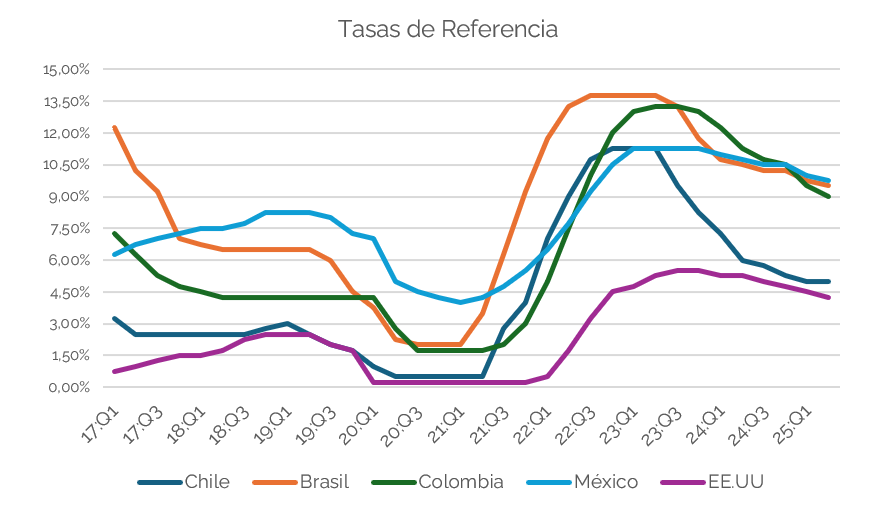
Hoy el mercado es más maduro y exigente. Las instituciones no solo deben prestar, sino también comprender al deudor, evaluar su resiliencia financiera y anticipar su capacidad de pago.
El crédito fácil quedó atrás; el crédito inteligente es el nuevo estándar.
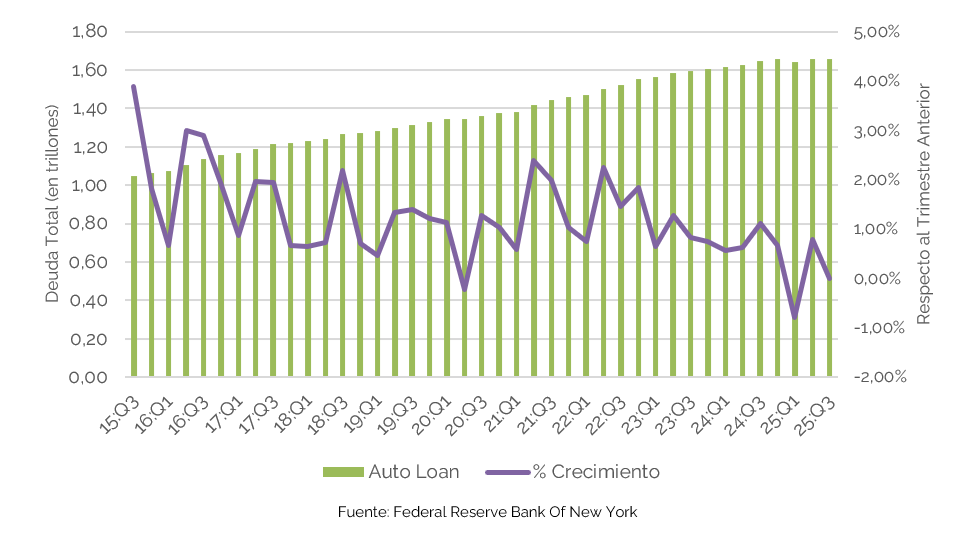
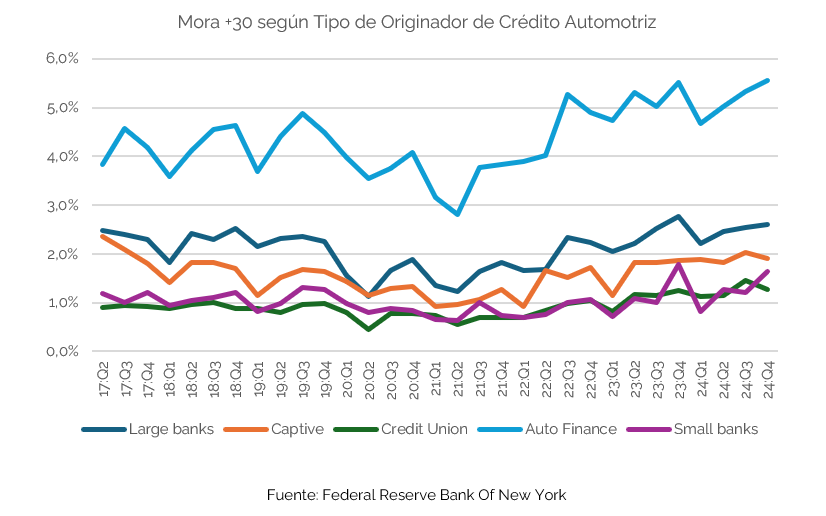
Por un lado, los consumidores son más reticentes a endeudarse, lo que impacta las ventas de vehículos nuevos. Por otro, los deudores actuales muestran señales de estrés financiero, con aumentos en los índices de morosidad y refinanciamiento.
Las financieras y los fondos especializados han debido fortalecer su capacidad de análisis crediticio. Ya no basta con evaluar ingresos o antigüedad laboral; hoy es imprescindible entender el comportamiento de pago, la resiliencia del cliente y el valor real del activo prendado.
A esto se suma la rápida depreciación de los vehículos, acelerada por los avances tecnológicos (electrificación, software, conectividad), lo que afecta la solidez de las garantías en caso de incumplimiento.
En paralelo, las empresas deben invertir más en el seguimiento post-crédito, monitoreando en tiempo real indicadores como atraso en pagos, evolución del valor del colateral y comportamiento del cliente.
La gestión de datos y el uso de inteligencia artificial se están convirtiendo en aliados clave para anticipar riesgos y optimizar la cobranza preventiva.
El futuro del financiamiento automotriz dependerá de su capacidad para adaptarse a un mercado en transformación estructural.
Algunas tendencias que ya se perfilan:
El futuro del financiamiento automotriz será híbrido y tecnológico. La digitalización continuará reduciendo los costos de originación, mientras que el uso de analítica predictiva y big data se convertirá en una práctica estándar.
El gran desafío estará en equilibrar la automatización con una gestión responsable del crédito. En una industria que aprendió a moverse con rapidez, la resiliencia será el nuevo motor.
El desafío ya no es solo financiar más, sino financiar mejor. La combinación de datos, prudencia y cercanía con el cliente marcará la diferencia entre quienes sobrevivan y quienes queden atrás.
Mientras tanto, la pregunta que debería guiar la conversación es: ¿Cómo puede la industria mantener el acceso al crédito sin comprometer la calidad de sus carteras?
Raimundo Fuenzalida
Portfolio Manager Fynsa AGF