Fynsa

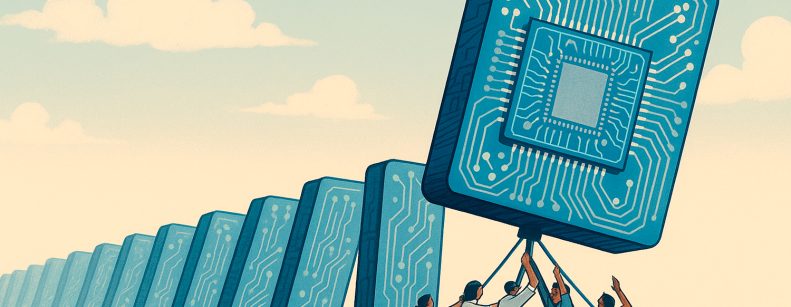
Para quienes vivimos el 2008, quedó claro el costo de crear sistemas “too big to fail”, es decir, sistemas tan grandes y concentrados que, cuando fallan, deben ser rescatados para evitar un colapso mayor. Los bancos se volvieron tan importantes que el Estado tuvo que intervenir para evitar su desplome. Hoy, 17 años después, parece ser que la inteligencia artificial va por un camino similar.
Durante los últimos meses, los resultados de las grandes tecnológicas han confirmado que la inversión en IA no se detiene. Todos los días hay algo nuevo que nos sorprende y refuerza la sensación de que este tren solo avanza.
OpenAI, Microsoft, Google, Amazon y Nvidia están desplegando una gran infraestructura de chips, servidores y centros de datos, todo basado en proyecciones de crecimiento futuro.
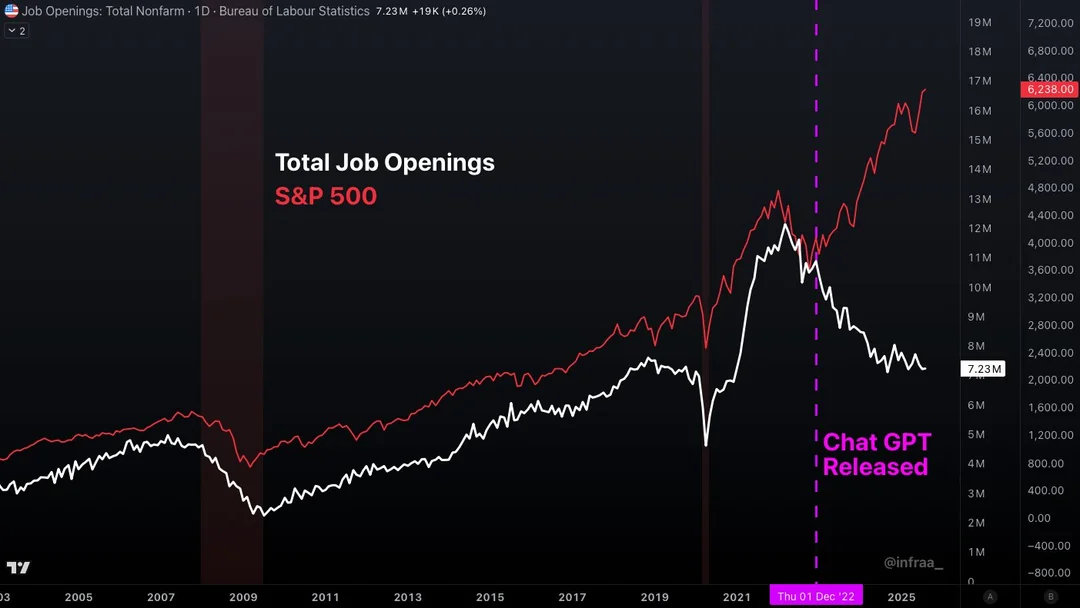
Las cifras son difíciles de dimensionar: hablamos de billones de dólares en gasto de capital que crece a exceso de velocidad. Sin embargo, en paralelo a inversiones récord en infraestructura de IA, el sector tecnológico ha protagonizado múltiples rondas de despidos.
Hace un par de semanas, Amazon anunció la salida de cerca de 14.000 personas, y no es un caso aislado. Otros actores tecnológicos, como Microsoft y Meta, también redujeron su personal por miles recientemente.
Lo más inquietante es que muchos de esos empleos eliminados corresponden precisamente a áreas donde la inteligencia artificial ya empieza a reemplazar tareas humanas: atención al cliente, soporte, marketing, redacción, e incluso desarrollo de software.
La eficiencia prometida por la IA se está logrando, sí, pero ¿a qué costo? El trabajo se automatiza más rápido de lo que pensábamos, y el crecimiento que genera esta nueva economía no necesariamente se traduce en bienestar.
En este contexto, una frase dicha casi al pasar encendió las alarmas. Sarah Friar, CFO de OpenAI, mencionó recientemente la idea de un backstop: una garantía estatal para respaldar la expansión de infraestructura de inteligencia artificial.
Este mismo concepto fue el que sostuvo al sistema financiero durante la crisis de 2008, cuando los gobiernos intervinieron para evitar el colapso de los bancos.
La inversión en IA se ha vuelto autorreferencial: las empresas invierten más para sostener la expectativa de que la IA generará ingresos futuros, mientras los retornos reales todavía son modestos, y los costos energéticos y financieros siguen aumentando.
En este escenario, los gigantes tecnológicos pasan a comportarse como entidades sistémicas, estrechamente interconectados, replicando la estructura del sector bancario previo a la crisis.
La historia nos enseñó que cuando una industria depende más de promesas que de resultados, la caída no es cuestión de si, sino de cuándo.
La inteligencia artificial es una de las innovaciones más poderosas de nuestro tiempo, y, personalmente, estoy feliz de poder ser parte de este ciclo. Por lo mismo, debemos asegurarnos de no terminar necesitando otro rescate.