Fynsa

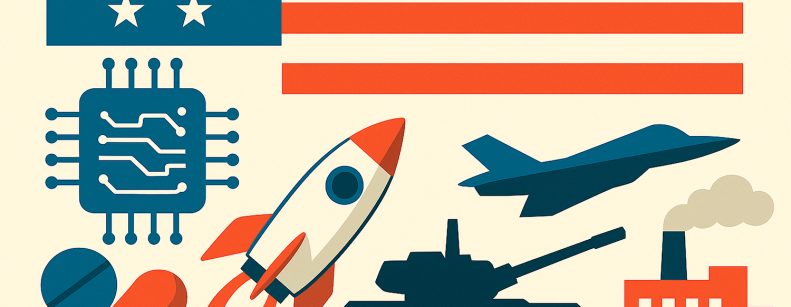
La promesa de “traer de vuelta” la manufactura a Estados Unidos ha sido un tema recurrente en el discurso del presidente Donald Trump. Sin embargo, un informe de la consultora Oxford Economics muestra que la realidad es más matizada: no habrá un resurgimiento generalizado de fábricas en todos los sectores, sino que el crecimiento se concentrará en aquellos donde el país ya tiene una base sólida y competitiva.
Los sectores mejor posicionados para expandirse en la próxima década son los de alta tecnología, farmacéuticas, aeroespacial y defensa. Se trata de industrias intensivas en capital y conocimiento, que cuentan con cadenas de valor establecidas, acceso a financiamiento e innovación constante. Además, son sectores en los que EE.UU. mantiene una posición de liderazgo global, lo que facilita aprovechar políticas públicas y acuerdos comerciales.
La experiencia reciente lo confirma: grandes pedidos internacionales de aviones, avances en biotecnología y el crecimiento de la demanda en semiconductores muestran que el futuro pasa por estas industrias de alta complejidad.
En contraste, las actividades intensivas en mano de obra y de bajo valor agregado, como textiles, muebles o madera, difícilmente regresarán. El principal obstáculo es el costo laboral: fabricar en EE.UU. es hasta 20 veces más caro que en países como Vietnam. A ello se suma la escasez de trabajadores calificados en manufactura, un desafío que no se resuelve únicamente con aranceles o reducciones de impuestos.
Incluso si algunas operaciones volvieran, probablemente lo harían en versiones altamente automatizadas, lo que limitaría la creación de empleo masivo, uno de los grandes objetivos políticos detrás de la “reindustrialización”.
El informe también subraya que los aranceles, por sí solos, no bastan para reimpulsar la manufactura. La verdadera diferencia la han marcado leyes como la CHIPS Act y la Inflation Reduction Act, que inyectaron miles de millones en fábricas de semiconductores, baterías y energías limpias. Estos incentivos desencadenaron un auge de inversión en nuevas plantas, algo que los aranceles nunca lograron por sí mismos.
Sin embargo, los cambios recientes en el Congreso —como la reducción de beneficios fiscales para energías renovables y vehículos eléctricos— ponen en duda la continuidad de este impulso. Esto deja a sectores como el solar y el eólico en un terreno más incierto, pese a haber mostrado gran dinamismo en los últimos años.
El panorama es claro: la manufactura estadounidense no volverá a ser lo que fue en el pasado, pero sí tiene un futuro prometedor en los rubros más avanzados. Para capitalizarlo, será clave avanzar hacia una estrategia integral que combine inversión sostenida, innovación tecnológica y formación de talento.
Las empresas que ya operan en sectores como tecnología, salud, aeroespacial o defensa, y aquellas que proveen servicios o insumos a estas industrias, estarán mejor posicionadas para aprovechar las oportunidades de la próxima década.
Puedes leer el informe completo de Oxford Economics aquí.
Fynsa