Fynsa


En los últimos dos años, la renta variable estadounidense ha tenido un ciclo alcista excepcional (incluso considerando los fuertes ajustes de inicios del 2T25), impulsado por la concentración tecnológica y la fiebre de la inteligencia artificial. Las “Magnificent 7” (Apple, Microsoft, NVIDIA, Amazon, Alphabet, Meta y Tesla) son de las grandes protagonistas, a costa de una amplitud del mercado que se ha ido deteriorando progresivamente.
A comienzos de 2025 era opinión casi de consenso que un mercado tan concentrado y con valorizaciones tan exigentes terminaría mal, pero se necesitaba un gatillante para un ajuste saludable, y eso fue alimentado por la retórica arancelaria del presidente Trump, que empezó a enfriar el apetito por riesgo. Incluso apareció el discurso de que el “excepcionalismo americano” podía estar llegando a su fin, lo cual, por cierto, terminó siendo una exageración.
Así, el denominado “Liberation Day”, a principios de abril, fue una “buena excusa” para un ajuste de mercado que alcanzó el 20% para el caso del S&P 500. En medio de señales económicas divergentes, el inversionista minorista vio la oportunidad y compró agresivamente, reactivando el relato del “Buy the Dip”.
De ahí en más, el mercado se ha estado debatiendo entre datos duros en EE.UU. (producción, empleo, consumo, etc.), que no han mostrado un deterioro significativo, y siguen apuntando a una economía real relativamente resiliente y a una inflación moderada. Esto contrasta con datos blandos de encuestas que venían sugiriendo una pérdida de confianza en la economía y presiones inflacionarias crecientes por los aranceles anunciados, lo que se traduce en una elevada incertidumbre sobre la trayectoria de la economía.
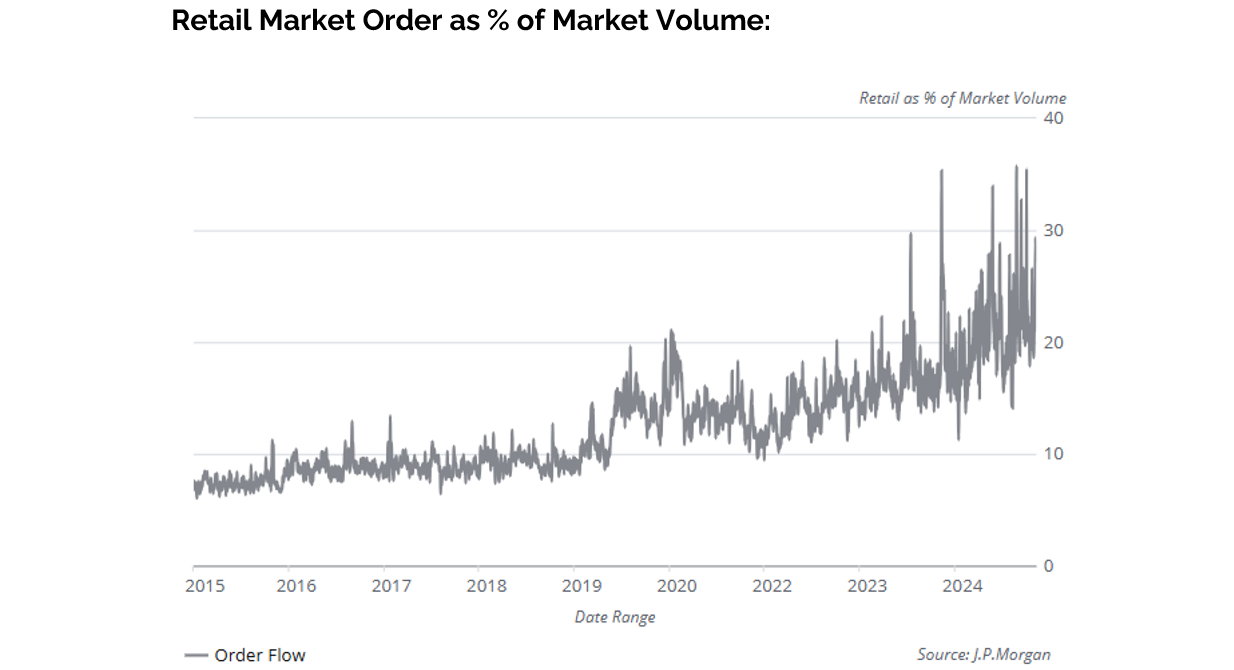
La participación del inversor minorista en el mercado estadounidense se ha vuelto cada vez más relevante en los últimos años. Según datos de J.P. Morgan, el retail ya representa cerca del 30% del volumen total de mercado.
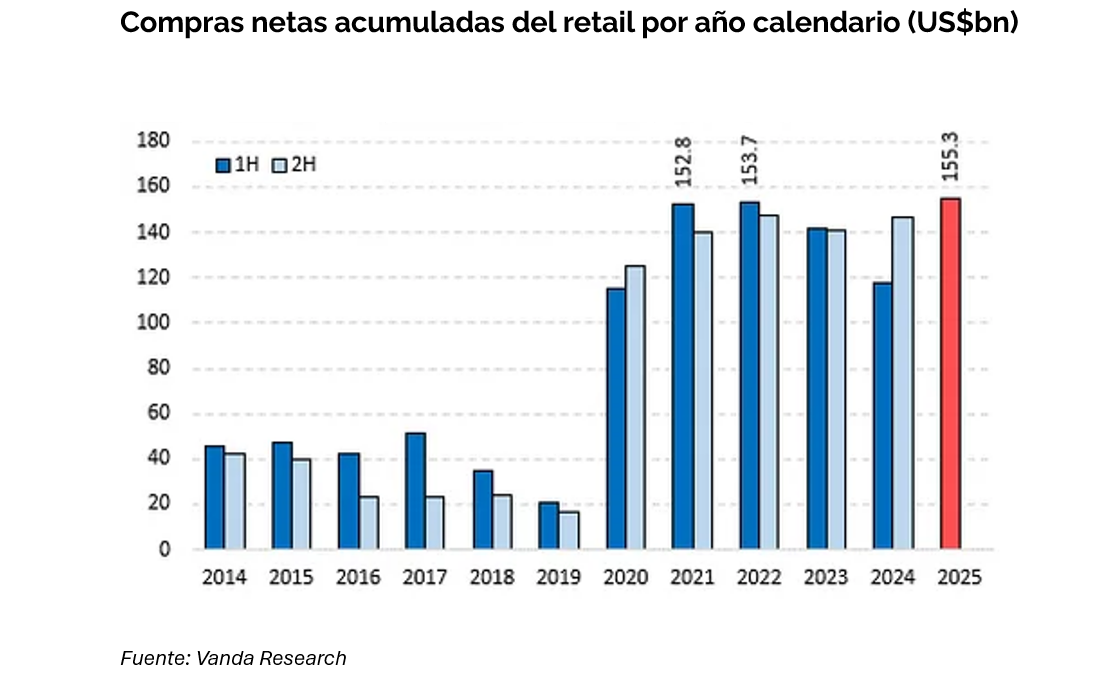
En lo que va de 2025, los minoristas han comprado más de US$ 155.000 millones en acciones y ETFs estadounidenses. Es el mayor volumen acumulado en al menos tres años, lo que muestra un cambio profundo en la dinámica de mercado. La semana pasada volvieron a ser compradores netos, con flujos concentrados en nombres como NVIDIA, Tesla, Palantir y los ETFs SPY y QQQ. Este comportamiento es típico de una fase tardía de mercado: el retail corre detrás del momentum, mientras los institucionales esperan confirmaciones antes de volver con fuerza.
El protagonismo del retail tiene varias explicaciones:
El resultado ha sido una avalancha de flujos minoristas, que ha sostenido al mercado incluso sin el apoyo de los grandes administradores de capital.
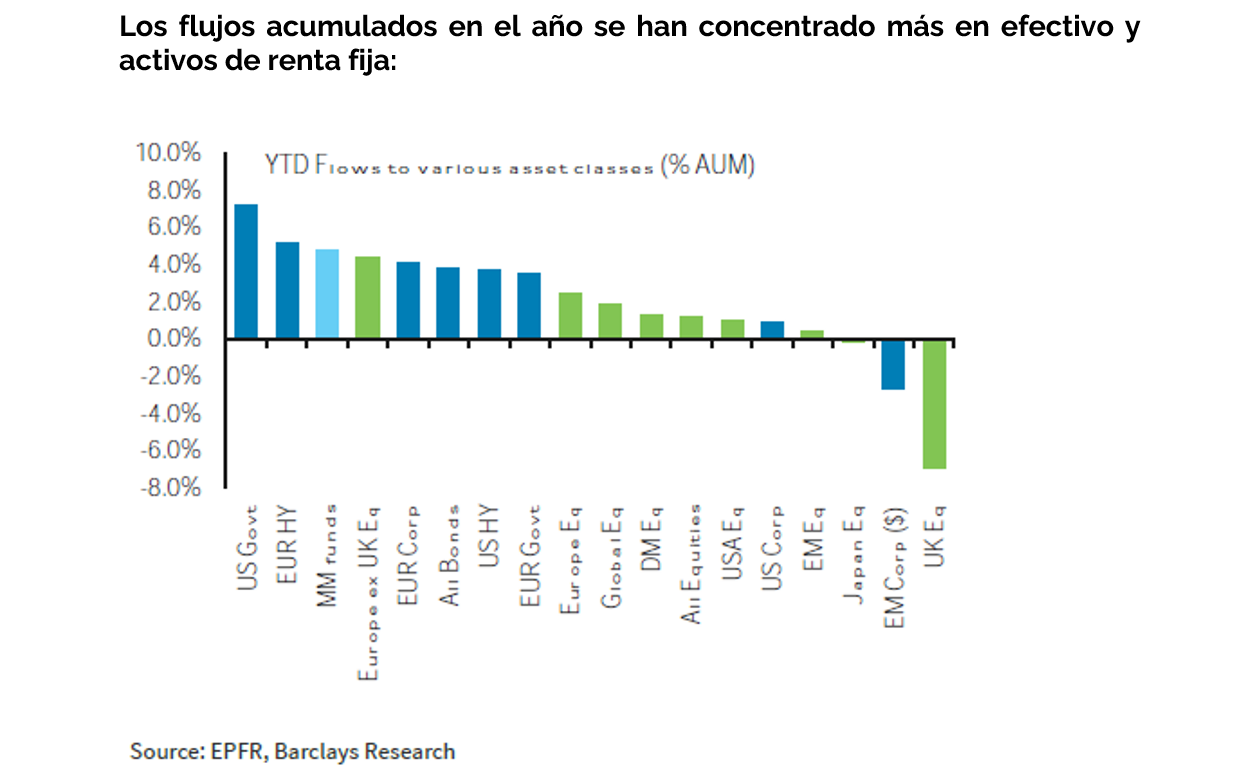
Mientras tanto, los institucionales mantienen la cautela. Según Barclays (Who Owns What – Positioning not hot everywhere, 30‑jul‑2025), pese a que el S&P 500 alcanzó nuevos máximos tras la aprobación del One Big Beautiful Bill y cierta moderación de la incertidumbre arancelaria, los flujos en el año hacia acciones siguieron siendo débiles frente a efectivo y renta fija.
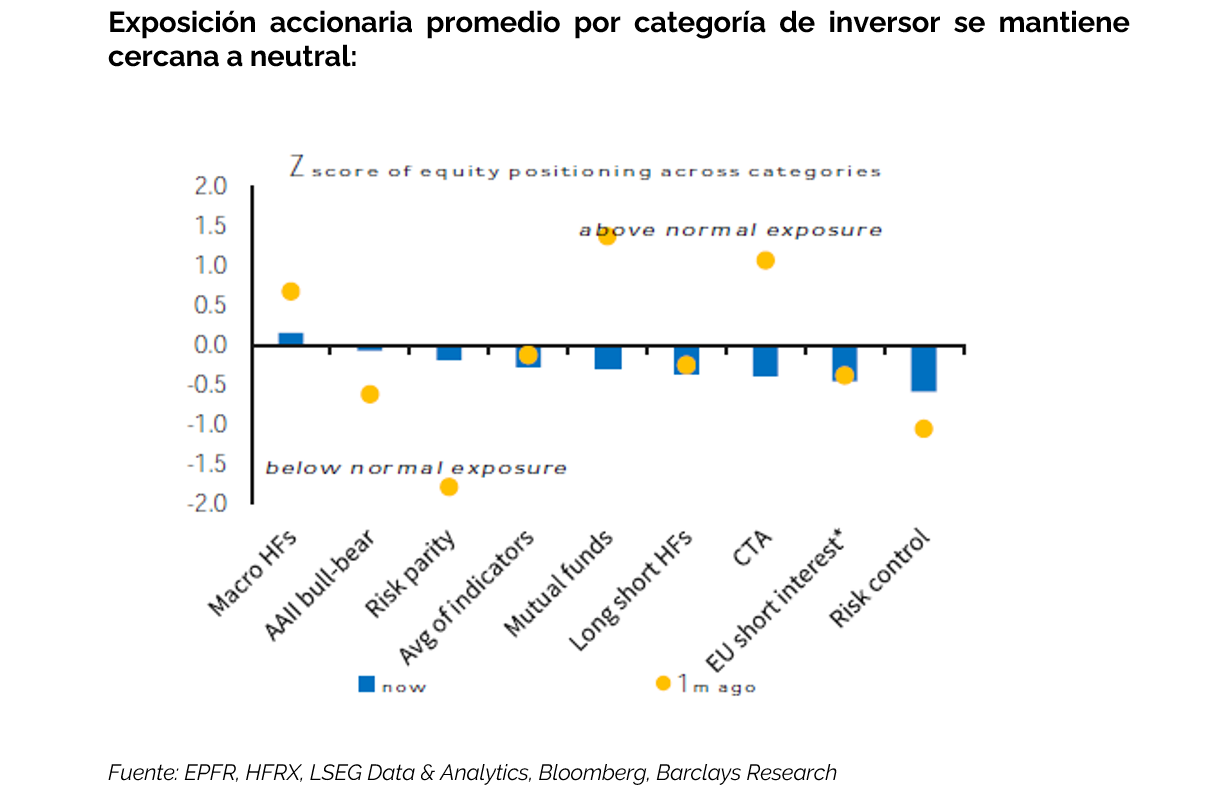
Durante este período no se observó un “frenesí institucional”. Los fondos long only se mantuvieron cerca de posiciones neutrales, con niveles de caja por encima de su promedio histórico, reflejando prudencia. Los hedge funds redujeron su exposición neta en meses previos, aunque recientemente han comenzado a incrementar posiciones en acciones de EE. UU. En paralelo, los fondos sistemáticos solo han aumentado de manera modesta su exposición, dejando a los institucionales con una posición agregada cercana a neutral, y con margen para seguir aumentando exposición si el momentum de mercado se consolida.
Las razones son conocidas: valorizaciones superiores a 22 veces utilidades a 12 meses, incertidumbre política, fiscal y arancelaria, y una preocupante falta de amplitud. Aunque los índices muestran avances, la mayor parte de las ganancias proviene de un grupo reducido de acciones, lo que refuerza la percepción de un mercado frágil y dependiente de pocos nombres.
Un rally sostenido principalmente por inversores minoristas tiene implicancias importantes:
¿Qué esperan entonces los institucionales? Más que señales optimistas, lo que hoy marca la pauta son las preocupaciones predominantes en el mercado. Uno de los mayores riesgos de cola para los inversionistas es que la guerra comercial desencadene una recesión global, algo que preocupa al 38% de los encuestados, mientras que un 20% teme que la inflación impida a la FED recortar tasas, lo que podría mantener las condiciones financieras más restrictivas por más tiempo.
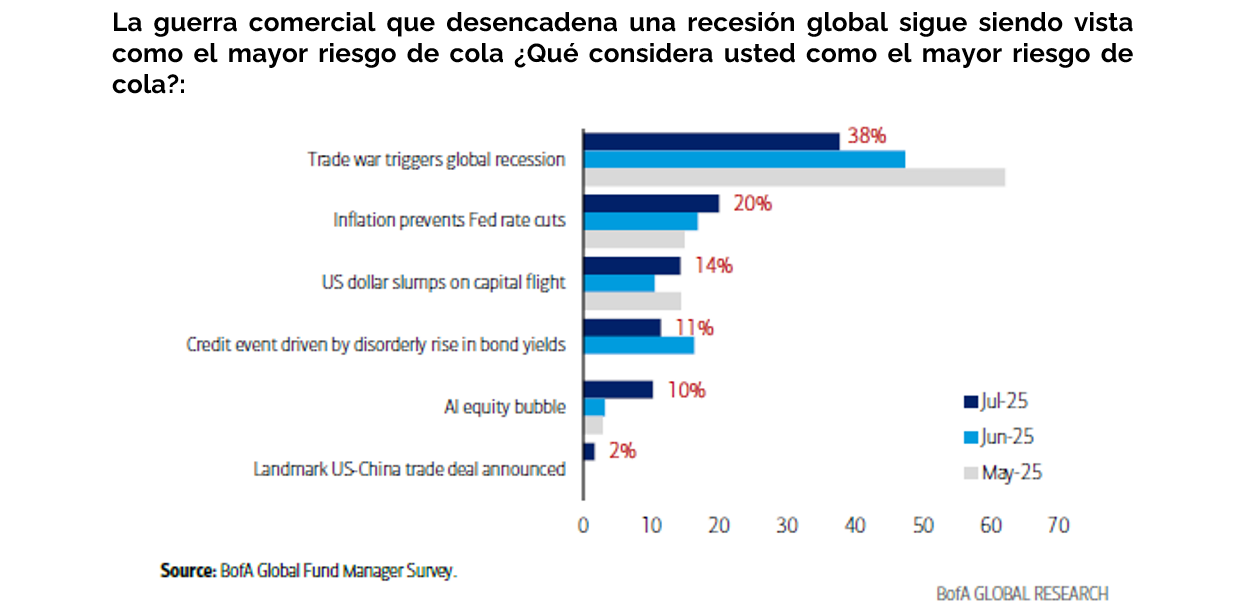
Con este telón de fondo, los institucionales consideran que la relación riesgo‑retorno aún no justifica una entrada agresiva. El rally del S&P 500 en 2025 ha sido potente pero frágil: el retail lidera con entusiasmo mientras los grandes administradores mantienen cautela, dejando al mercado más sensible a shocks y sorpresas macro. La narrativa del Buy the Dip sigue firme, pero para que los flujos institucionales regresen con fuerza hará falta un catalizador claro: mejora de utilidades, relajación de riesgos arancelarios, o señales macro que respalden la continuidad del ciclo de recortes de la FED. Hasta entonces, el avance del mercado se apoya en cimientos estrechos y expuestos a sorpresas.
Tomás Haase
Analista de Estrategia