Fynsa

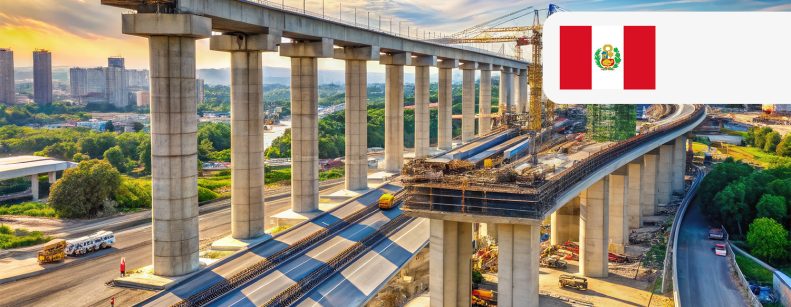
Lima Metropolitana está a punto de experimentar una profunda transformación en su infraestructura vial con el inicio de las obras del Anillo Vial Periférico, un megaproyecto que promete cambiar la dinámica de la conectividad y aliviar el tráfico de la capital peruana.
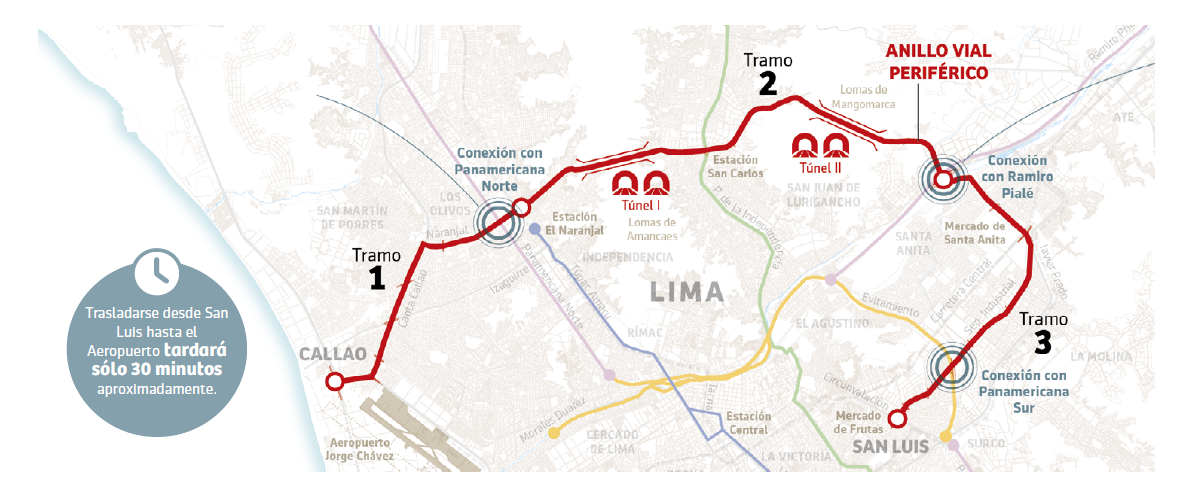
Con una inversión de US$ 3.400 millones, este ambicioso proyecto de 38,4 kilómetros de longitud conectará once distritos de la provincia de Lima Metropolitana y uno adicional de la provincia del Callao, beneficiando a más de 4,5 millones personas.
Este nuevo sistema de vialidad no sólo optimizará los tiempos de viaje de los ciudadanos, sino que también permitirá reducir los tiempos de desplazamiento en hasta un 50%. Además, facilitará el acceso a importantes carreteras nacionales y mejorará la integración con diversas redes de transporte, como las líneas 1 y 2 del Metro de Lima, el ramal de la Línea 4, el Metropolitano, el Aeropuerto Internacional Jorge Chávez, el Puerto del Callao y el futuro teleférico San Juan de Lurigancho – Independencia.
Tramos clave del megaproyecto
El Anillo Vial Periférico estará compuesto por tres tramos clave:
La concesión de este proyecto está a cargo de las empresas españolas Ferrovial, Acciona y Sacyr, quienes se encargarán del diseño, financiamiento, construcción, gestión y mantenimiento de la infraestructura. Asimismo, el trazado incluirá vías laterales libres de peaje en ambos sentidos, lo que mejorará aún más la conectividad entre los distintos puntos de la ciudad.
Impacto en la economía y el empleo
Más allá de los beneficios en términos de movilidad, el Anillo Vial Periférico se perfila como un motor de crecimiento económico y social en el país. Se estima que el proyecto generará más de 70 mil empleos directos e indirectos, impulsando sectores clave como la construcción, el transporte y el comercio.
La incorporación de tecnologías de vanguardia, como los Sistemas Inteligentes de Transporte (ITS), Gestión de la Información de Diseño (BIM) y la Gestión de Activos, garantizarán no sólo la seguridad y eficiencia de la vía, sino que también una gestión óptima de la infraestructura a lo largo de su vida útil.
 Fuente: Proinversión
Armando Herrera
Gerente general Fynsa Perú