


Fynsa

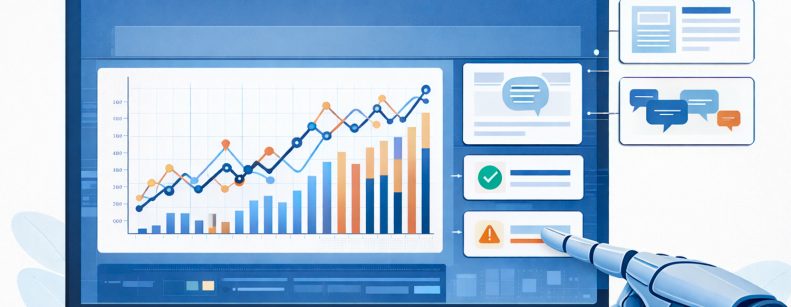
Durante años, automatizar en finanzas fue básicamente acelerar el trabajo repetitivo. Hoy el cambio es mayor: la automatización se está volviendo una ventaja estructural. Determina qué tan rápido una persona convierte información en decisiones y qué tan bien se sostiene la operación cuando el mercado se mueve.
Esto ocurre por una razón simple: la industria financiera vive sobre montañas de datos que deben procesarse con rapidez, precisión y de forma continua. Cuando ese ciclo es lento o manual, se pierden oportunidades, se multiplican los puntos de falla y se encarece la operación. Automatizar no solo acelera; también reduce errores humanos, detecta inconsistencias antes, y permite operar 24/7. Y, gracias a los avances recientes, hoy no se trata solo de procesar. También es posible encontrar patrones y anticipar escenarios casi en tiempo real, incluso incorporando señales desde noticias y conversación pública.
En inversiones, esto se ve menos como una gran herramienta nueva y más como mejoras en muchas partes del trabajo diario, comparar cifras entre sistemas, revisar precios y valuaciones, ordenar datos, preparar reportes y encender alertas cuando algo se sale de lo normal. Casi no se nota, pero ahí se gana mucho: menos errores, información más oportuna y más confianza para medir riesgo y tomar decisiones.
Esto ya se ve en instituciones grandes. JPMorgan, por ejemplo, automatizó la lectura de contratos de crédito con una herramienta interna (COIN), reduciendo drásticamente tiempos y trabajo manual. En el mundo de las inversiones también ha crecido el esfuerzo por “conectar todo el flujo”, desde la decisión de inversión hasta la operación y el reporte, para evitar que el trabajo se rompa entre sistemas y termine resolviéndose a mano. Plataformas como Aladdin apuntan a esa conexión, y actores como State Street (que operan gran parte de la maquinaria diaria de fondos y custodias) han desarrollado soluciones para unificar datos y procesos a lo largo del ciclo de inversión. En paralelo, bancos globales están desplegando asistentes internos para acelerar tareas rutinarias (resumir documentos, preparar borradores, buscar información o extraer puntos clave, etc.) como el GS AI Assistant (Goldman) o Morgan Stanley Assistant.
Eso sí, automatizar también amplifica el impacto de un error. Cuando una decisión depende de flujos automáticos, un dato malo, un proveedor crítico o una regla mal calibrada puede propagarse más rápido y más lejos. Por eso, a la par del entusiasmo, hoy crecen los estándares de control: trazabilidad del dato, monitoreo, y gobernanza para que la velocidad no le gane a la confiabilidad.
Finalmente, el factor humano: la automatización no elimina el trabajo, lo desplaza. El World Economic Forum estima que hacia 2030 un porcentaje relevante de las habilidades clave cambiarán, reforzando la necesidad de capacitación y reconversión. En inversiones, esto se traduce en equipos que pasan de ejecutar tareas repetitivas a diseñar, supervisar y auditar procesos automatizados.
La pregunta estratégica entonces, no es si automatizar, sino por dónde empezar: enfocarse primero en los puntos donde los errores y el riesgo son más costosos; luego en procesos de alto volumen donde la automatización escala mejor, y, finalmente, en aquellos casos donde mejorar la calidad y oportunidad de la información eleva directamente la toma de decisiones.
Matías Márquez
Analista Fondos Financieros Fynsa AGF


