Fynsa


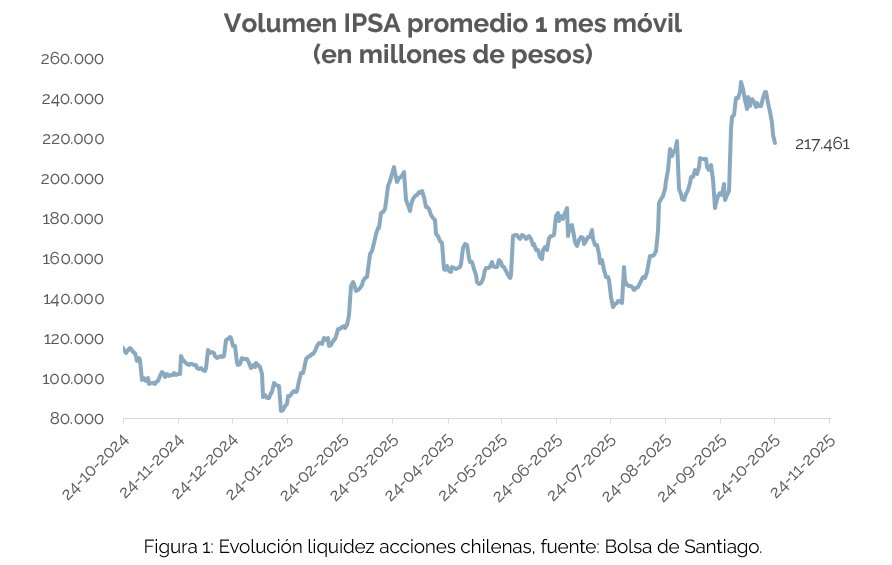
Este año ha sido excepcional para la renta variable chilena por muchas razones. A la fecha de escritura de esta nota, la rentabilidad se acerca al 50% YTD, con varias acciones presentando espectaculares rentabilidades, mejorando la valorización tanto de la bolsa como de muchos de sus componentes y, especialmente ligado a nuestro tema de hoy, con fuertes crecimientos en flujos hacia acciones chilenas, tanto por parte de inversionistas locales como extranjeros (ver figura 1).
Sin embargo, dentro de esta creciente irrupción de flujos, un factor no ha sido considerado en el crecimiento: El inversionista retail. Según datos de la CMF, sólo un 11% de las personas en Chile tiene productos de inversión financiera, existiendo aún un margen enorme de mejora para acercarse a países como Estados Unidos, donde el número se acerca a 60%.
Hoy hablaremos de un suceso ocurrido en Perú, que derivó en crecimientos explosivos de flujos retail en el país vecino. Esta historia nos ayudará a reflexionar sobre el rol del inversionista en distintos mercados, y cómo este tipo de brechas se pueden ir cerrando en procesos de “democratización” bursátil, teniendo especial cuidado en detenernos en que no todo lo que brilla es oro.
En 2023 se abrieron alrededor de 14.000 nuevas cuentas de inversionistas minoristas en la Bolsa de Valores de Lima; en 2024 esa cifra experimentó un importante crecimiento, estando más cerca de las 90.000 aperturas de inversores retail, un aumento del orden de 475% en solo un año, e igualmente impactante, con 80% de los nuevos inversionistas en el segmento de menores de 40 años. El detonante de este ingreso extraordinario fue la salida a bolsa de Inversiones Portuarias Chancay (IPCH) -vehículo que posee el 40% del megapuerto ubicado en la localidad peruana- la cual recibió una cobertura bastante importante por parte de la prensa de dicho país, generalmente con connotación positiva. Antes de continuar con la historia, es importante volver al 40% que tiene IPCH en el megapuerto de Chancay. ¿Quién es el propietario del otro 60%? La compañía estatal china Cosco Shipping. Durante la masificación de la noticia de la salida a bolsa de IPCH, salieron numerosos influencers en redes sociales recomendando inversiones en “el gigante peruano”, viralizando algunos hashtags referentes al proyecto en diversas plataformas, destacando fuertemente TikTok, igualmente de propiedad china. Desde acá en adelante, sucedió algo similar a lo que hablamos en el newsletter de acciones meme, un FOMO (Fear of Missing Out) masivo, que atrajo a más inversionistas que no querían quedarse debajo de la nueva ola portuaria. Buena parte de la canalización de la demanda ocurrió mediante Trii, la aplicación más usada para invertir en la BVL, que entre mayo y julio de 2024 habría atraído a más de 50.000 nuevos inversionistas solo a través de su aplicación, al punto de tensionar la infraestructura de la Bolsa de Valores de Lima. El resultado en flujos fue evidente: el gerente general de la BVL estima que los montos diarios negociados en acciones pasaron de alrededor de 6,6 millones de soles en 2023 a unos 14 millones de soles en 2024, mientras la serie oficial del BCRP de “Montos negociados en Bolsa – Renta Variable” muestra un salto brutal en mayo de 2024, cuando se transaron 6.683 millones de soles en el mes, y luego un nuevo escalón de actividad para el resto del año. Tal era la demanda en IPCH que según se puede ver en la nota anteriormente citada del medio La República, de cada siete órdenes de compra, sólo una lograba calzarse.
Tras el furor por Chancay vino el beneficio colateral para acciones sin relación directa con el puerto. La República recoge el testimonio de Julio Plácido, de nuam, quien explica que, si bien IPCH concentró buena parte del interés inicial, las decenas de miles de nuevas cuentas no se quedaron solo ahí: la demanda “migró” a valores locales como Credicorp, BBVA, Alicorp, Ferreycorp, Unacem, Siderperú e InRetail. Esta última es el ejemplo más claro: de unos 400 inversionistas un año antes pasó a cerca de 2.000 sin que su negocio tenga vínculo directo con el megapuerto. Creo importante hacer una pausa y ver cómo dentro del fenómeno del mayor flujo mediático y el ya comentado FOMO, el acceso de nuevos inversionistas y la “democratización” del acceso a la bolsa resultaron en positivas variables para la BVL en su conjunto, con el respectivo beneficio para el desarrollo de Perú, que implica que mayores montos se inviertan en empresas productivas peruanas.
Por supuesto, también hay un lado B: los inversionistas decepcionados. Un año después, La República titula sin rodeos: “Inversionistas peruanos en Puerto de Chancay no ven aún beneficios”. Allí se detalla cómo buena parte de quienes compraron cerca de los picos de precio hoy están en rojo, y cómo analistas recuerdan que IPCH no está obligada a entregar estados financieros ni hechos esenciales de manera regular, ni a repartir dividendos, lo que dificulta estimar su valor fundamental y aumenta la sensación de “jugar a ciegas”. La moraleja que repiten los expertos es que muchos de los que más perdieron fueron los que se dejaron llevar por el ruido de redes sociales sin asesoría y sin entender que “no están invirtiendo en el puerto, sino en una acción llamada IPCH”.
La conclusión de fondo es potente para cualquier mercado emergente, incluido Chile: una masa de inversionistas retail bien canalizada puede cambiarle la cara a una bolsa entera en cuestión de meses. En Perú, un proyecto tangible (un megapuerto que se ve, se toca y sale en las noticias), una narrativa geopolítica atractiva (China, la nueva “ruta de la seda”), una app de bajo costo y alta usabilidad para entrar (Trii) y una capa de tiktokers y prensa amplificando la historia bastaron para multiplicar por cinco el número de nuevos inversionistas y para más que duplicar los volúmenes diarios de negociación. El caso peruano muestra que la “democratización de las inversiones” no es un slogan: puede ser un shock real de participación que abra oportunidades a empresas que antes ni aparecían en el radar minorista, pero también un campo minado para quienes entran tarde, mal informados o sin diversificar.
Gabriel Haensgen
Portfolio Manager Fondos Financieros Fynsa AGF