


Fynsa

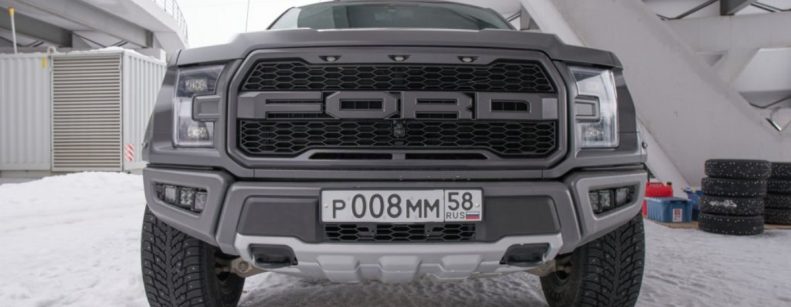
Hemos escrito en este newsletter sobre la Ford-150 Lightning, la versión eléctrica de la camioneta más vendida en la historia de EE.UU., y que para muchos está llamada a ser el gran agente de cambio hacia la electromovilidad en ese país. Las pruebas que está realizando Ford con especialistas en automóviles han sacado a la luz otro aspecto de este vehículo: su capacidad para funcionar como una gran batería para alimentar un hogar en caso de emergencia o inyectar electricidad en la red, donde la regulación lo permita.
El pack de baterías de ion-litio de la F150 ofrece 10 veces la capacidad de la Tesla Powerwall, una batería de US$11.000 vendida como backup para los hogares que, como dice la nota de Bloomberg, no puede llevarte al supermercado.
“La Lightning es una pequeña planta de poder para un hogar que puede complementar la red en los días de extremo calor, cuando tenemos peaks de demanda,” señaló a Bloomberg Jason Glickman, vicepresidente ejecutivo de ingeniería, planificación y estrategia de PG&E Corp., la distribuidora eléctrica de California. PG&E está haciendo pruebas para evaluar cómo integrar a la F-150 Lightning en su manejo de la red.
La Lightning es el primer vehículo eléctrico en EE.UU. con capacidad de carga bidireccional. Si el vehículo está conectado a la red y sobreviene un apagón, el hogar al que está conectado comienza a utilizar electricidad de la batería de la F-150, que puede alimentar las necesidades de un hogar por tres días.
La F-150 con esta capacidad viene a partir del modelo de rango extendido, o como un suplemento de US$1.310 en la versión estándar con una batería de 230 millas de capacidad. Además, es necesario adquirir un sistema de integración a la conexión al hogar, que tiene un costo de US$3.850.
Puede ver el reportaje de Bloomberg AQUÍ


