Fynsa


Colaboración nuam
En la última década, las economías de la Región Andina han registrado un crecimiento bajo y sostenido. Según el Banco Mundial, la recuperación tras la pandemia ha sido más lenta de lo esperado y, aunque se han logrado avances, estos siguen siendo moderados y vulnerables a los vaivenes externos. Las tensiones geopolíticas —desde conflictos bélicos hasta disputas arancelarias entre potencias— han sumado incertidumbre y reducido el apetito por invertir. A ello se suman políticas monetarias más restrictivas que, si bien buscan contener la inflación, han frenado la actividad, consolidando un escenario de estancamiento económico en buena parte de América Latina.
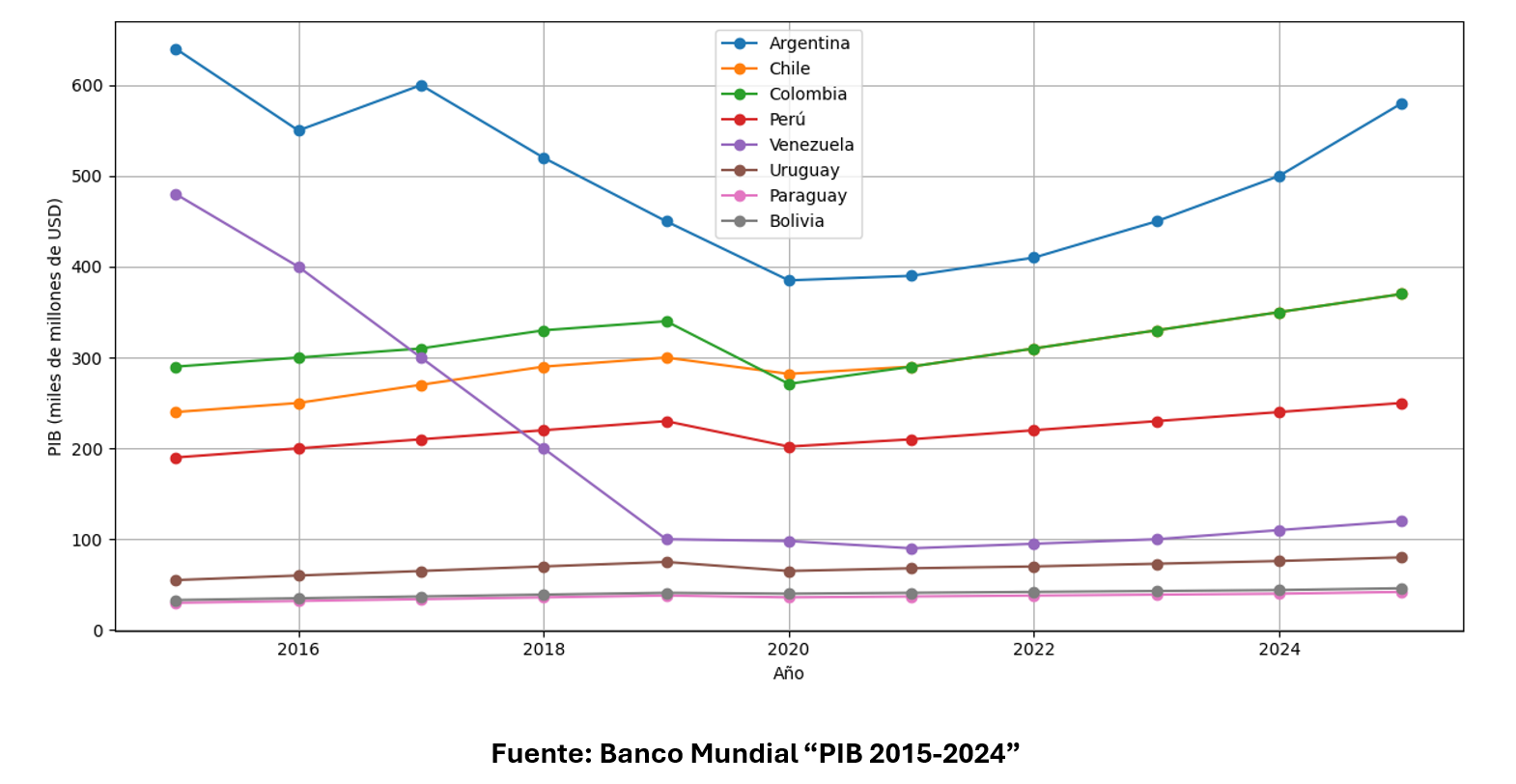
Esta fragilidad también alcanza a los mercados de capitales, donde la baja liquidez limita su capacidad para cumplir un rol esencial: canalizar recursos hacia el desarrollo productivo. Como plantea el estudio “Mercados de capitales y crecimiento: Rol de la Integración de Bolsas”, elaborado por Pablo García y Kevin Cowan, académicos de la Escuela de Negocios de la Universidad Adolfo Ibáñez, un mercado de capitales sólido es motor de crecimiento. Cuando se consolida, logra economías de escala que benefician a emisores, inversionistas y a la sociedad en su conjunto, generando un círculo virtuoso que incrementa la demanda por financiamiento e inversión, y amplía la profundidad y liquidez del sistema.
La historia de los mercados de capitales revela que los primeros índices bursátiles nacieron como “termómetros económicos” para resumir la salud de un sector o de toda una economía, antes de evolucionar hacia las herramientas globales de inversión que conocemos hoy. Con el tiempo, estos indicadores trascendieron su papel inicial: de medir el pulso de industrias específicas pasaron a convertirse en referentes globales que, además de reflejar el desempeño de economías completas, sirven como herramientas de inversión para acceder a países y regiones enteras.
Siguiendo esa misma lógica, América Latina ha dado un paso decisivo para proyectar su imagen en la vitrina global con el MSCI nuam, un índice que concentra a las empresas más relevantes de Chile, Colombia y Perú y que busca mostrar a la región como un bloque cohesionado y competitivo.
Compuesto por 56 compañías líderes —35 de Chile, 13 de Colombia y 8 de Perú—, este índice no solo mide el desempeño bursátil, sino que actúa como escaparate internacional, aumentando la confianza de los inversionistas y facilitando la comparación con otros mercados del mundo. En un entorno donde la liquidez y la visibilidad son esenciales para atraer capital, herramientas como el MSCI nuam marcan el camino hacia un mercado regional más integrado, líquido y dinámico, capaz de canalizar financiamiento hacia nuevas oportunidades y sectores estratégicos.
En definitiva, este índice tiene el potencial de convertirse en el termómetro de una región que busca integrarse, ganar liquidez y atraer capital. La diferencia es que hoy, en un mundo interconectado, no solo se mide el pulso de un sector o un país: proyecta la imagen de un bloque entero, con la ambición de ser percibido como un destino sólido, confiable y competitivo para el capital internacional.
Kenny Gallo
Gerente Senior de Unidad de Negocio Información de Mercados nuam