Fynsa

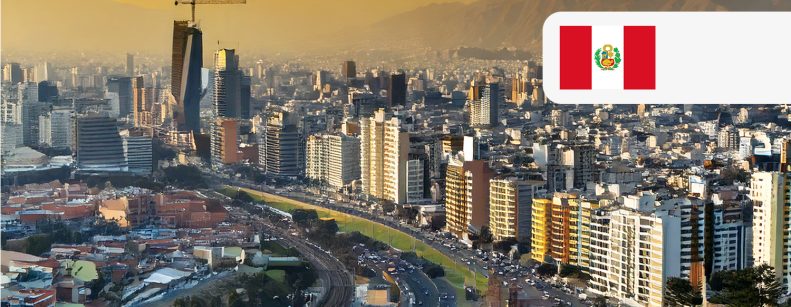
El mercado inmobiliario peruano cerró 2024 con un crecimiento de 30%, según la Asociación de Empresas Inmobiliarias del Perú (ASEI), impulsado por una mayor alineación entre la oferta y la demanda, mejores condiciones de financiamiento y una recuperación del empleo formal. En total, se incorporaron 4.900 viviendas nuevas y se vendieron 21.479 unidades inmobiliarias, reflejando el renovado dinamismo del sector. Uno de los indicadores más relevantes fue la absorción inmobiliaria, que pasó de 0.4% en 2023 a 2.8% en 2024, lo que evidencia una recuperación significativa en la capacidad del mercado para colocar unidades disponibles. Esta expansión estuvo fuertemente respaldada por el mayor acceso al crédito hipotecario, gracias a tasas más competitivas y a un aumento del ingreso formal en los hogares. Para 2025, se proyecta un crecimiento adicional de entre 7% y 8%, consolidando al sector como uno de los motores clave de la economía nacional.
Lima sigue siendo el principal foco de inversión, pero cada vez hay mayor dinamismo en ciudades intermedias como Piura, Trujillo, Arequipa y Chiclayo, que concentran parte importante de la demanda fuera de la capital.
El perfil del comprador ha evolucionado: hoy se priorizan espacios funcionales, sostenibles y con incorporación tecnológica. Esta tendencia ha impulsado el desarrollo de proyectos residenciales con soluciones ecoamigables y áreas comunes innovadoras. En distritos emergentes de clase media dentro de la zona metropolitana de Lima —como San Miguel, Magdalena, Surquillo y Surco— se observa un auge de edificaciones multifamiliares que incluyen desde sky bars hasta zonas para mascotas, adaptándose a las necesidades de un público urbano más exigente.
Este crecimiento territorial también está impactando positivamente en el empleo: se estima que el sector generará más de 50,000 empleos directos e indirectos en los próximos años, incluyendo construcción, servicios inmobiliarios y actividades conexas. Además, el rubro construcción representa actualmente alrededor del 5.4% del PBI, subrayando su rol estructural en la economía peruana.
Comparativa regional: ¿cómo se posiciona Perú?
A nivel regional, un informe de la consultora Tinsa (2024) ubica a Perú entre los tres mercados emergentes más dinámicos en Sudamérica, junto a Colombia y Paraguay, en términos de inversión inmobiliaria privada. Esta posición responde a su recuperación postpandemia, la demanda insatisfecha en ciudades intermedias y el interés de desarrolladoras por expandirse fuera de Lima.
Principales actores del mercado
El crecimiento del sector está siendo liderado por desarrolladoras como Besco, V&V, Senda, Albamar y Actual Inmobiliaria, que concentran una parte significativa de la oferta en Lima Metropolitana. Estas empresas están apostando por proyectos multifamiliares modernos en distritos emergentes, y han sido reconocidas por incorporar sostenibilidad, tecnología y diseño funcional en sus edificaciones.
Complemento urbano: Las Begonias como nueva referencia de ciudad
Un ejemplo del nuevo enfoque urbano que potencia la valorización inmobiliaria es el Plan Maestro del Distrito Financiero Las Begonias, en San Isidro. Desarrollado por Sasaki y Urbanova Inmobiliaria, este proyecto busca transformar 73 hectáreas en un distrito vibrante, sostenible y accesible, con espacios públicos renovados como el Parque Cáceres y un corredor comercial moderno en la Calle Las Begonias. Aunque no se trata de un proyecto inmobiliario tradicional, su impacto en la plusvalía y en la dinámica urbana lo convierte en una pieza clave para el desarrollo integral de Lima.
Mirada estratégica hacia un crecimiento sostenible
Si bien el sector inmobiliario peruano muestra señales sólidas de expansión, su desarrollo futuro dependerá también de factores clave como la evolución de los costos de construcción, la eficiencia en los procesos de licenciamiento municipal y la consolidación de políticas urbanas integradas. Abordar estos aspectos permitirá sostener el ritmo de crecimiento y asegurar un entorno más competitivo y equilibrado para todos los actores del mercado.
Armando Herrera
Gerente General Fynsa Perú